(Inspired by Bruce Lipton’s The Wisdom of Your Cells — credit to the author and his teachings.)
Have you ever made a promise to yourself…then watched yourself do the opposite?
Maybe you said:
“I’m going to stop overthinking.”
Or, “I’m going to speak up at work.”
Or, “I’m going to choose healthier relationships.”
And then life happened. Your body tightened, your mind rushed, your habits took over.
If that feels familiar, you are not broken. You are human. And you are living through the powerful programming of your subconscious mind.
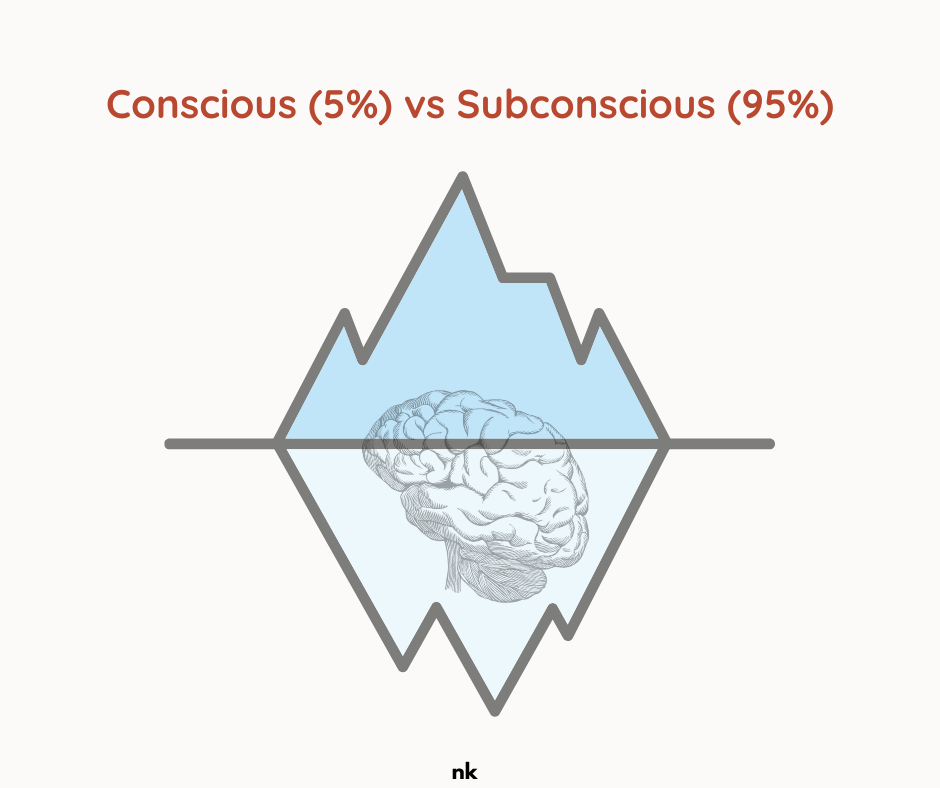
Bruce Lipton teaches that your conscious mind plays a small role in your day-to-day behavior. He describes it as about 5% of your life, and also shares that the subconscious mind influences the other 95%.
That one concept can change everything. Because it explains why willpower feels exhausting. It also explains why true healing feels so freeing.
The Conscious Mind: The Dreamer, The Planner, The Vision-Setter
Your conscious mind is beautiful. It is the part of you that sets intentions, creates goals and future plans, and chooses what you want to believe.
Your conscious mind says:
“I want to feel confident.”
“I want to be healthy.”
“I want to stop repeating patterns.”
This mind helps you learn new information. It helps you reflect on your life and helps you imagine new outcomes.
The conscious mind also loves meaning. It wants to understand why things happen, and it wants the story to make sense.
This is where many people start their healing journey.
They read books and watch videos.
They work on mindset and awareness.
They try to “think their way” into change.
And sometimes that works. Especially when the subconscious already agrees. However, when the subconscious disagrees, life feels harder.

The Subconscious Mind: The Program That Runs the Show
Bruce Lipton describes the subconscious mind as the main driver of behavior. It is your internal autopilot and responds fast, without analysis. And, it runs patterns you learned long ago.
Your subconscious mind is not “bad.”
It is protective.
It is loyal.
It is efficient.
It stores emotional memory.
It stores survival strategies.
It stores learned responses to life.
It also runs most habits automatically. That includes your tone of voice, your posture, your food choices, and your reactions to stress.
Your subconscious mind is the part of you that says:
“Stay quiet. It’s safer.”
“Don’t trust them.”
“You don’t deserve more.”
“Keep working. Rest is unsafe.”
Even if your conscious mind wants freedom, the subconscious might choose survival.
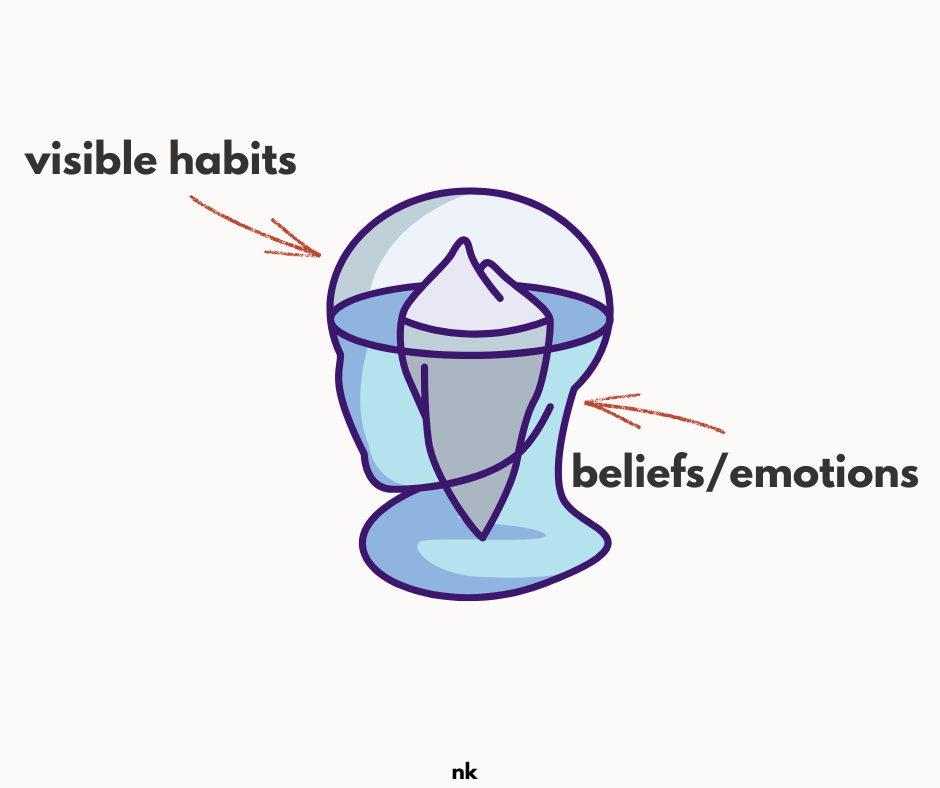
Why the 5% vs 95% Matters in Your Real Life
This is where so many people feel stuck. They set goals with the conscious mind, then they default to subconscious programming.
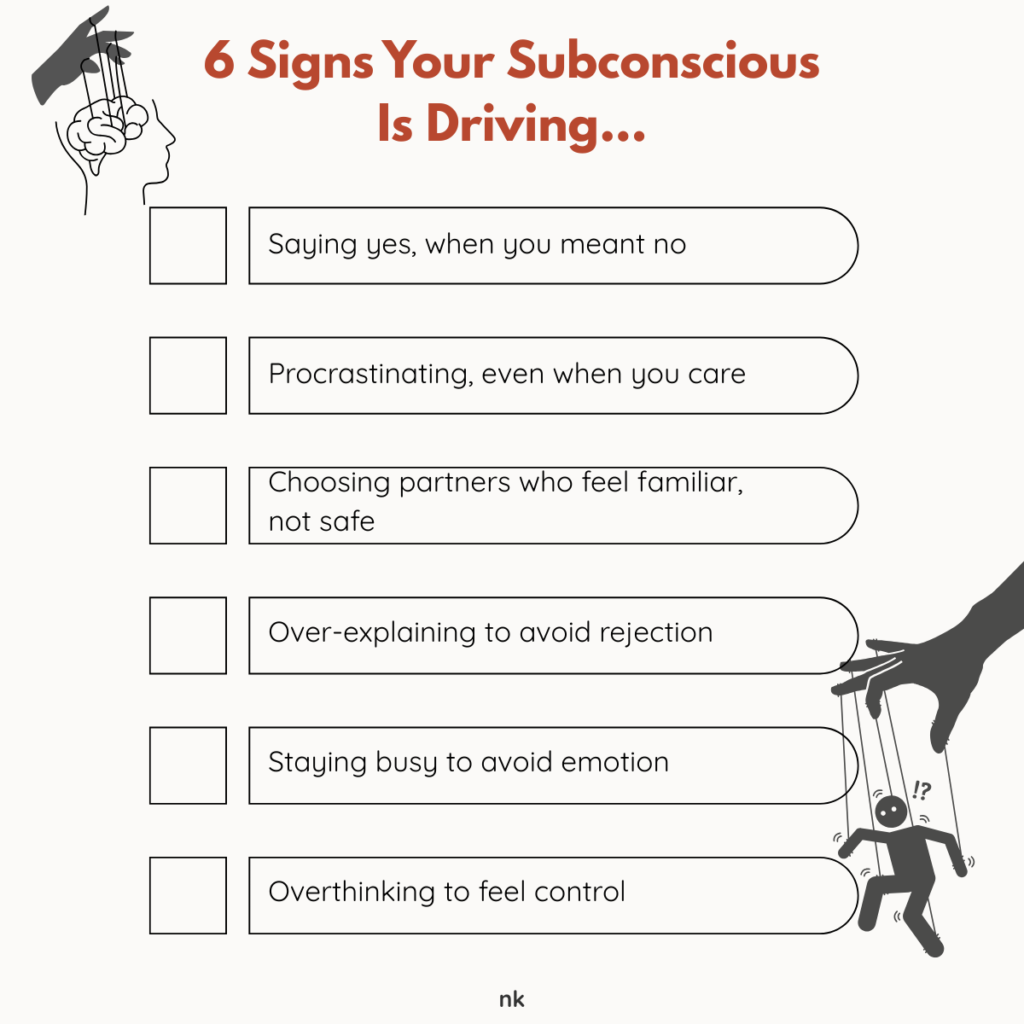
You might see this in daily moments like:
- Saying yes, when you meant no
- Procrastinating, even when you care
- Choosing partners who feel familiar, not safe
- Over-explaining to avoid rejection
- Staying busy to avoid emotion
- Overthinking to feel control
Your conscious mind might want expansion, and your subconscious might fear what expansion brings.
That fear can show up as:
self-sabotage, withdrawal, tension, overwhelm, or anxiety.
This is not weakness. This is conditioning.
When you understand this, you stop blaming yourself, and you start working with your system instead of against it.
How These Patterns Develop: The Early “Training Ground” of the Mind
The subconscious begins forming early. It absorbs what you live through and what you observe.
This includes:
- Your family’s emotional climate
- How conflict was handled
- What love looked like
- What success required
- Whether your needs were safe to express
Children learn quickly. They must adapt to belong, so they form internal rules. If you’ve had a chance to read some of my other blog posts on the development of the chakras, you’ll see what I mean.
Rules like:
- “Don’t be too much.”
- “Earn love through performance.”
- “People leave, so stay guarded.”
- “Anger causes danger.”
- “My feelings don’t matter.”
These rules often form without words. They form through nervous system experiences and through repetition.
They become subconscious programs. And later, those programs shape adult life.
When Subconscious Programming Helps You (The “Good” Side)
Let’s honor the value here. Your subconscious mind kept you safe. It helped you adapt and helped you function.
It may have created strengths like:
- High empathy
- Strong work ethic
- Independence
- Responsibility
- Awareness of others
- Emotional restraint under pressure
These traits often help people succeed. They build careers and businesses, and support families and communities.
But the same traits can also become heavy. Especially when they come from fear, not choice.
That is the moment healing begins.
When Subconscious Programming Hurts You (The “Not So Good” Side)
Patterns that once protected you can become limiting later.
You may notice:
- Chronic stress and hypervigilance
- People-pleasing and overgiving
- Emotional shutdown
- Fear of being seen
- Avoidance of intimacy
- Perfectionism and control
- Feeling “behind” no matter what you do
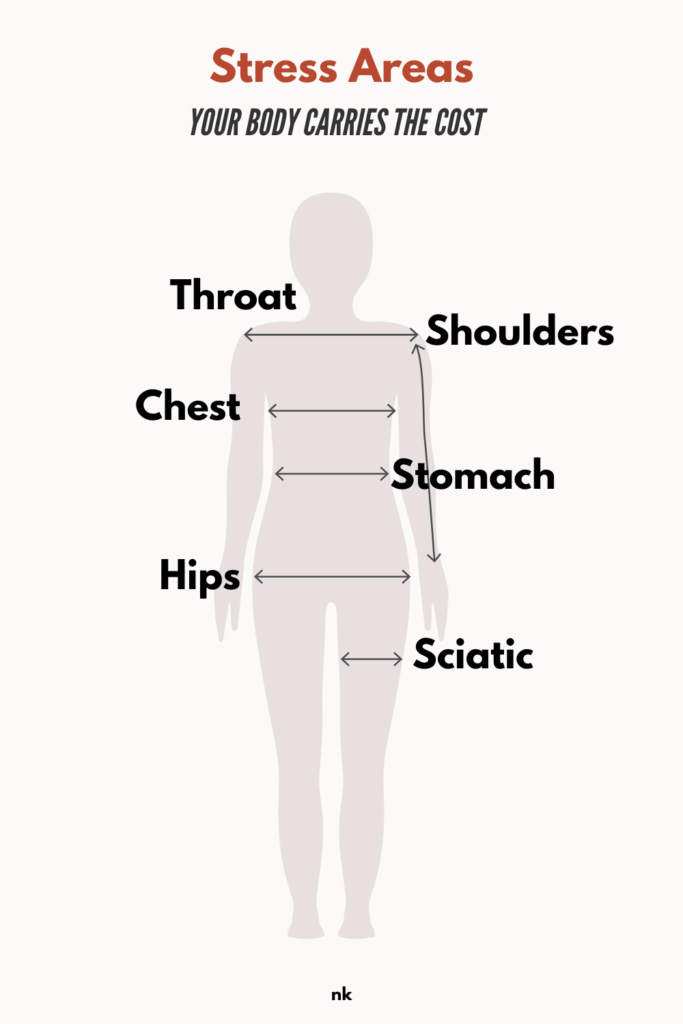
Your body often carries the cost. Tension becomes normal. Fatigue becomes familiar. Your nervous system stays on alert.
This can affect your digestion, your sleep, your hormones, and your immune system. Even your confidence.
You may look “fine” on the outside. Yet inside, you feel stuck in a loop. This is why healing must include the subconscious. It is where the loop lives.
The Adult Impact: How 95% Shapes Your Choices
As an adult, your subconscious influences:
Your relationships
You may choose love that feels familiar.
Even if it feels painful.
Your body recognizes the pattern as “normal.”
Your money and worth
You may work hard but fear receiving.
You may undercharge or overgive.
Your voice and boundaries
You may stay quiet to avoid conflict.
You may say yes to stay connected.
Your health and habits
You may “know what to do,” yet struggle to do it.
Because knowledge lives in the conscious mind.
But habits live in the subconscious.
Change becomes easier when you work at the right level.
How the Modalities of Dr. Bradley Nelson’s Work With the Subconscious Mind
This is where I love integrating Dr. Bradley Nelson’s work.
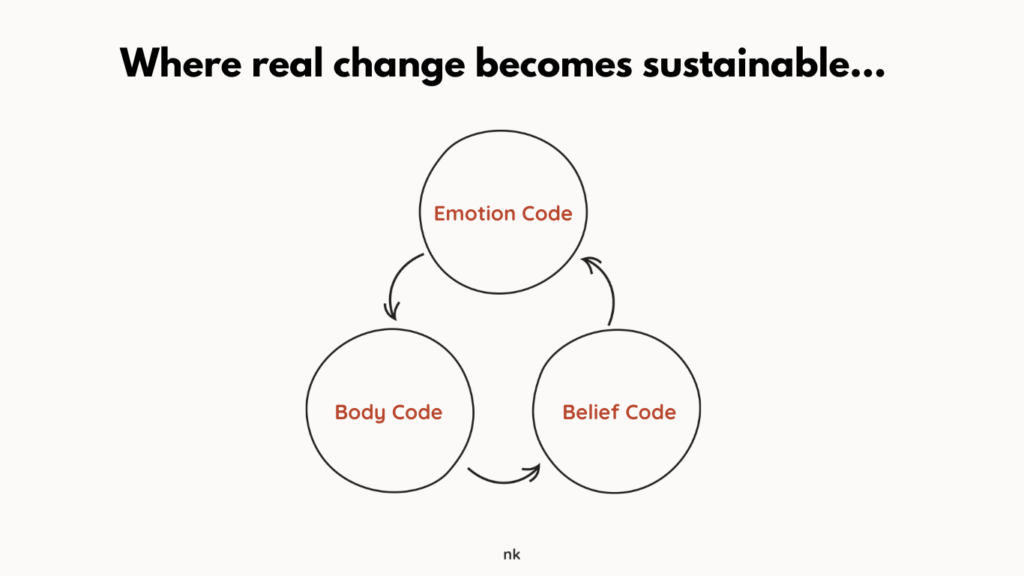
In The Emotion Code, The Body Code, and The Belief Code, we work directly with the subconscious mind.
Dr. Nelson teaches that the subconscious holds deep wisdom. It knows what your system needs, and also knows what is ready to release.
During sessions, we use muscle testing (biofeedback). This helps us communicate with the subconscious. It guides us toward the root issue.
That root issue may be:
- A trapped emotion
- An energetic imbalance
- A limiting belief
- A stress pattern in the body
- A deeper protective response
Your subconscious often chooses what to show first. It prioritizes what will create the greatest relief. This is true of our furry friends. We do the same process in tapping into their subconscious to help release what is needed. Pretty cool, right?! 😉
This is why sessions can feel specific and accurate. We are not guessing. We are listening.

How The Services I Offer Can Support Conscious and Subconscious Healing
I want you to feel supported from both directions. Because healing includes awareness and release.
Here is how I work with clients:
1) The Emotion Code
This helps locate and release trapped emotions.
These can come from your past.
They can also be inherited or absorbed.
Once released, your system often feels lighter and calmer.
2) The Body Code
This goes deeper into imbalances in the body.
We can explore systems, organs, meridians, chakras, toxins, and more.
It helps your body come back into alignment.
It also helps restore energy flow.
3) The Belief Code
This helps identify beliefs that no longer serve you.
Many beliefs live beneath awareness.
They shape your choices quietly.
When we clear them, your life can shift fast.
This work supports your conscious goals.
It also clears subconscious resistance.
That is where real change becomes sustainable.
Tools to Understand Your Conscious and Subconscious Mind
You do not need to force change. You need to create safety and awareness.
Here are gentle ways to start:
1) Track your “automatic moments”
Notice when you react fast.
Notice your tone, speed, and body tension.
That is subconscious programming in motion.
Try asking:
“What is this protecting me from?”
2) Use body-based check-ins
Your body tells the truth quickly.
Ask yourself:
- “Where do I feel this emotion?”
- “What does my chest feel like?”
- “What is my stomach doing?”
Your subconscious speaks through sensation.
3) Upgrade your self-talk
Your conscious mind listens to your words. Your subconscious listens to repetition.
Choose one phrase and repeat it daily:
“I am safe to grow.”
“I can handle change.”
“I release what no longer fits.”
4) Journal with a new question
Instead of “What’s wrong with me?” ask:
“What did I learn that still runs me?”
That question brings compassion. It also creates space for healing.
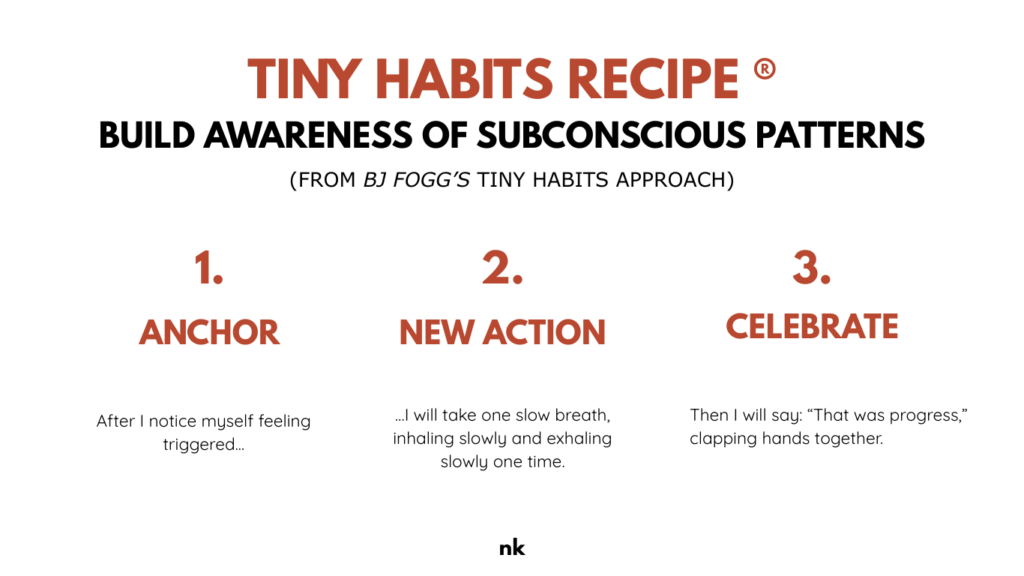
Tiny Habits Recipe: Build Awareness of Subconscious Patterns
(Inspired by BJ Fogg’s Tiny Habits method.)
The goal here is simple:
Catch the subconscious before it takes over.
Anchor:
After I notice myself feeling triggered…
New Action:
I will take one slow breath, inhaling slowly and exhaling slowly one time.
Celebrate (Positive emotion):
Then I will say: “That was progress.”
That’s it.
One breath.
One moment of awareness.
One new pattern forming.
This habit trains the conscious mind to “show up.”
It also calms the nervous system enough to create choice.
Over time, you can build on it:
- Add a second breath
- Place a hand on your heart
- Ask: “What belief is here?”
- Choose a new response
Small steps create big rewiring.
Everything Is Connected to Your Healing
Your thoughts affect your choices.
Your choices affect your nervous system.
Your nervous system affects your body.
Your body reflects what it carries.
This is why healing is never just mental.
It is emotional.
It is physical.
It is energetic.
It is subconscious.
You deserve support that honors the whole you.
If you feel ready, I would love to help you. Together, we can locate what your subconscious is holding. We can release what no longer serves you.
And we can build a life that feels lighter and more manageable.
Xo,
Nico’l 😉