
Many people begin their healing journey with one honest question:
“Why do I keep doing this when I know better?”
You may know you want peace.
You may know you want better boundaries.
You may know you want healthier relationships.
You may know you want to stop reacting from fear.
Yet something inside still pulls you back into the old pattern.
This is where the subconscious mind matters.
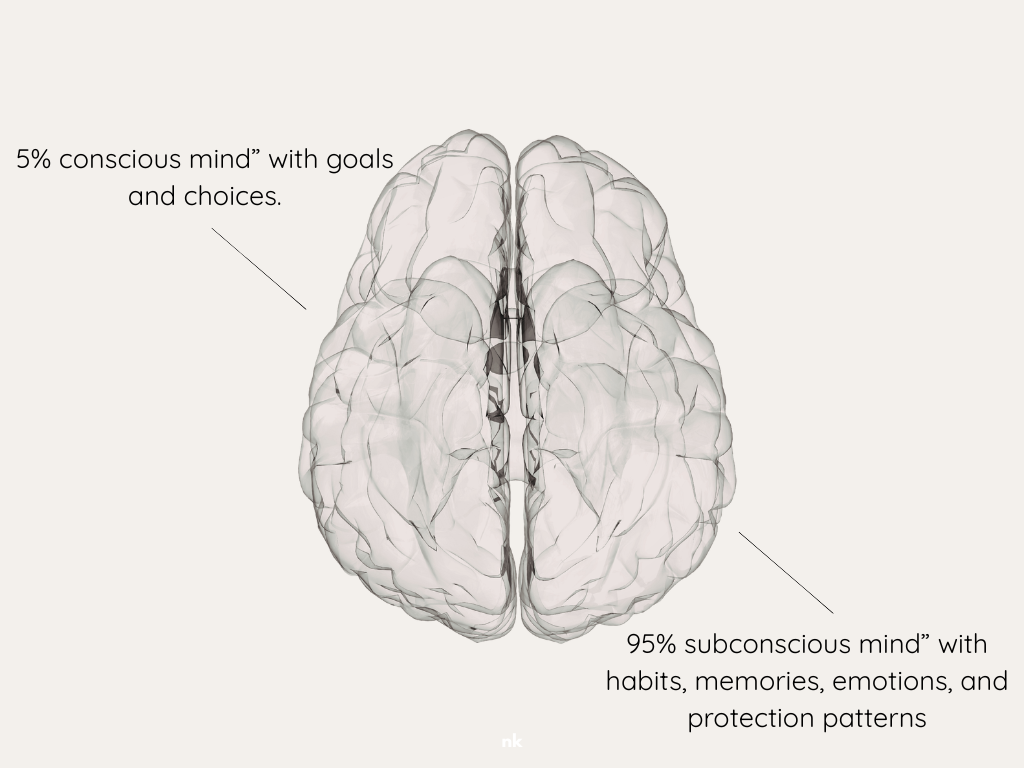
Dr. Bruce Lipton, author of The Biology of Belief, often teaches that we operate from the conscious mind only about 5% of the time. He describes the other 95% as subconscious programming. In his words, when the conscious mind is busy thinking about the past or future, the subconscious mind runs the show.
This does not mean the 95% number works like an exact medical measurement. Instead, it gives us a helpful healing framework. It helps explain why insight alone may not change a lifelong pattern.
Your conscious mind may want one thing.
Your subconscious mind may protect something else.
What the 5% Conscious Mind Does For Us
Your conscious mind helps you make choices.
It helps you plan, dream, focus, reflect, and decide. It allows you to set goals and imagine a new future.
This is the part of you that says:
“I want to heal.”
“I want to forgive.”
“I want to feel safe.”
“I want to stop repeating this pattern.”
“I want to become more myself.”
Your conscious mind is beautiful. It is creative, intentional, and aware.
However, the conscious mind can only hold so much at one time. It gets tired. It gets distracted. It can also get overwhelmed when emotions rise.
This is why you may set a strong intention in the morning, then react by noon.
You did not fail.
Your subconscious pattern took over.
Psychology often describes this difference through dual-process theory. One system works quickly, automatically, and often outside awareness. The other works more slowly, consciously, and with effort.
This helps us understand why change can feel hard.
Your conscious mind may say, “I am safe now.”
Your body may still respond like danger lives nearby.
That response usually comes from protection.
What the 95% Subconscious Mind Does For Us
Your subconscious mind stores learned patterns.
It remembers what helped you survive. It tracks repeated emotional experiences. It also forms habits, expectations, reactions, and protective responses.
Dr. Lipton often teaches that many subconscious programs form early in life. He describes childhood as a powerful period of observation and recording, especially during the first years.
This idea matters because children absorb more than words.
They absorb tone.
They absorb stress.
They absorb safety.
They absorb rejection.
They absorb love.
They absorb what gets punished.
They absorb what gets rewarded.
Over time, the subconscious mind forms conclusions.
“I must stay quiet to stay safe.”
“I must please others to be loved.”
“I must work hard to deserve rest.”
“I cannot trust people.”
“My needs create problems.”
“I am only valuable when I perform.”
These beliefs may not feel like thoughts. They may feel like truth.
That is the power of the subconscious mind.
It does not always speak in words. Sometimes, it speaks through tension, fatigue, migraines, digestive issues, shutdown, anxiety, procrastination, or emotional reactivity.
This does not mean every symptom has one emotional cause. It means the mind, body, and energy system constantly communicate.
Your Subconscious Is Trying to Protect You
It helps to stop seeing the subconscious as the enemy.
Your subconscious mind is not trying to ruin your life. It is trying to keep you alive, accepted, loved, and safe.
It often uses old information to do that.
If you were criticized as a child, your subconscious may protect you through perfectionism.
If love felt inconsistent, it may protect you through people-pleasing.
If anger felt dangerous, it may protect you through silence.
If abandonment hurt deeply, it may protect you by clinging.
If success brought judgment, it may protect you through self-sabotage.
These patterns may limit you now. Yet at one time, they may have helped you cope.
This is why healing needs compassion.
You are not broken.
You are patterned.
How the Subconscious Affects Healing
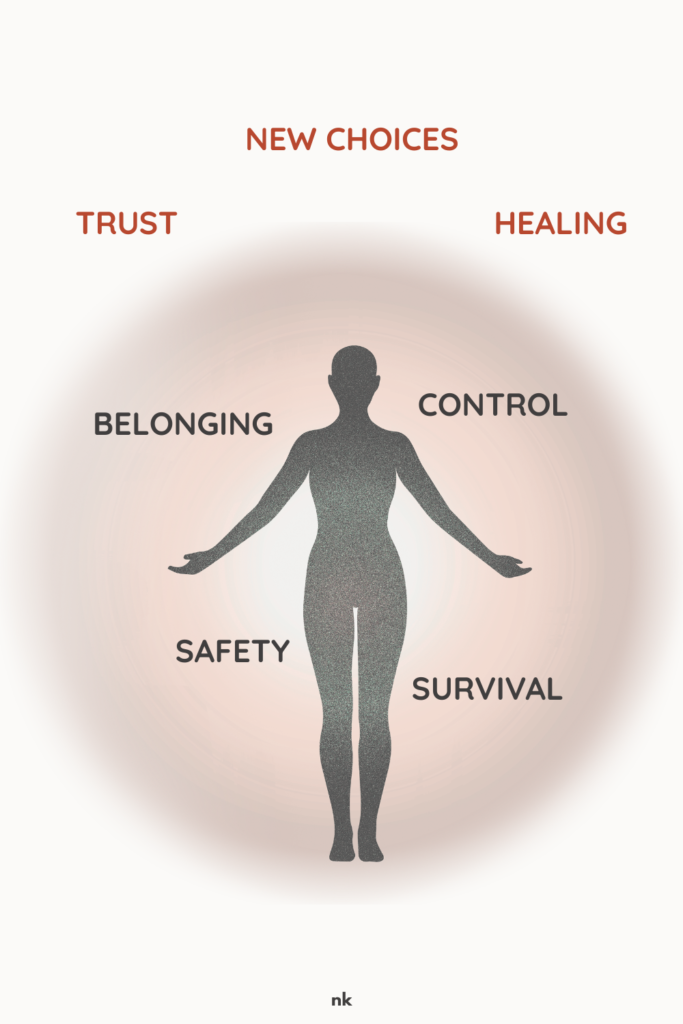
Healing asks the body and mind to update old information.
A person may consciously want to heal. Yet a deeper part may fear what healing will require.
Caroline Myss often speaks about the importance of becoming honest with ourselves. Her work invites us to notice how pain can become identity, protection, or a familiar way to receive connection.
That can feel tender to explore.
Sometimes, the subconscious asks:
“Who will I be without this wound?”
“What if I heal and still feel alone?”
“What if change disrupts my relationships?”
“What if I lose the role I know?”
“What if healing means I must choose differently?”
These are not small questions.
They are soul-level questions.
This is why perspective matters. If you see your pattern as weakness, you may judge yourself. If you see it as protection, you can begin to work with it.
That shift alone can soften resistance.
Research on placebo effects also shows that expectation can influence the body. Studies on placebo analgesia suggest that expectation plays an important role in pain relief responses.
This does not mean “thinking positive” cures everything. It means the brain and body respond to meaning, expectation, safety, and context.
Your inner world matters.
Habits: When the Subconscious Learns Through Repetition
The subconscious mind loves repetition.
This is why habits can feel automatic. A 2010 habit formation study found that it took participants a median of 66 days for a new behavior to become automatic. The range was wide, from 18 to 254 days.
That finding gives us grace.
Change may take longer than we expect. It also shows why small, repeated actions matter.
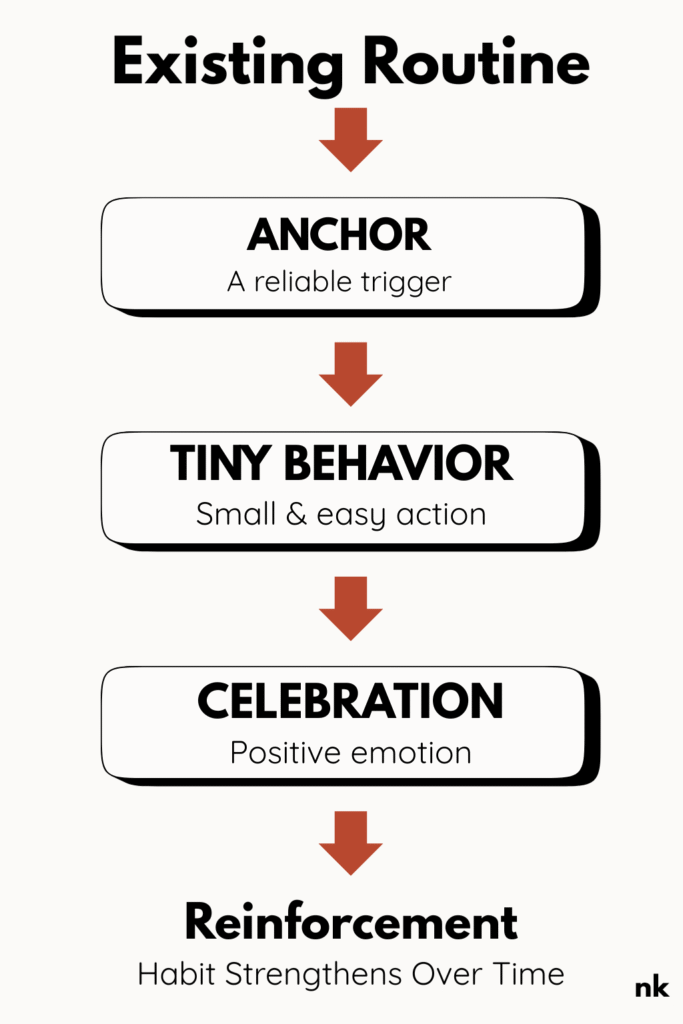
This is where BJ Fogg’s Tiny Habits work fits beautifully.
A tiny habit speaks the language of the subconscious because it uses repetition, ease, and celebration.
Try this:
After I place my hand on my heart, I will say, “I am safe to heal one small step at a time,” then I will celebrate.
Keep it small.
Keep it kind.
Keep it repeatable.
Your subconscious learns through lived experience, not pressure.
Trauma, Memory, and the Body
Some subconscious patterns form through trauma.
Trauma can affect memory, stress responses, and the way the brain interprets safety. A review on traumatic stress notes that trauma can affect brain function and memory systems.
This may explain why a person can know something is over, yet still feel activated.
The conscious mind says:
“That happened years ago.”
The body says:
“It feels like now.”
This can happen because the nervous system stores threat differently than ordinary memory. Some responses happen quickly and automatically.
That is not weakness. It is biology.
This is also where healing work must feel safe, paced, and supportive. When someone carries trauma, the body may resist fast change because fast change can feel unsafe.
A loving approach works better than force.
How Energy Healing Supports the Subconscious
Energy healing can help the body release what the mind cannot always explain.
For someone new to this work, energy healing may sound mysterious. Yet the basic idea is simple.
Your body holds information.
It holds emotional information.
It holds stress responses.
It holds inherited patterns.
It holds beliefs.
It holds memories.
It holds energetic imbalances.
In energy healing, we use intention, muscle testing, and focused clearing methods to identify what may need support.
The goal is not to blame the body.
The goal is to listen.
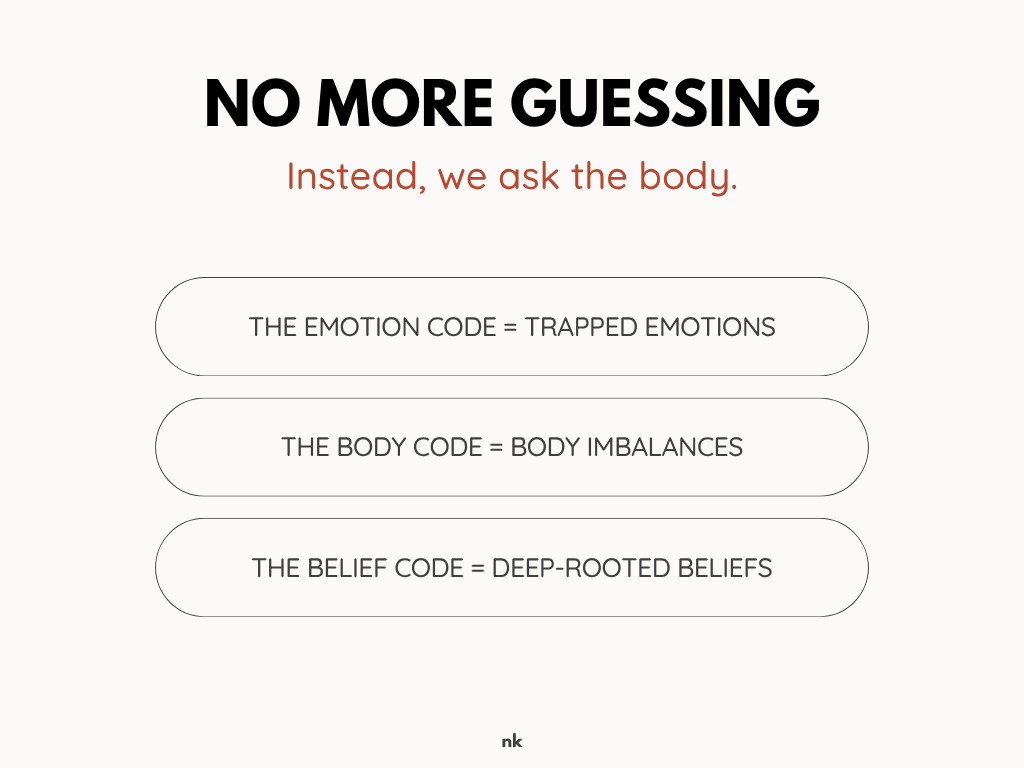
When I work with The Emotion Code®, The Body Code™, and The Belief Code®, I use muscle testing to ask the body what is ready to be identified and released.
This process can help bring subconscious material into awareness gently.
Instead of guessing, we ask.
The Emotion Code: Releasing Trapped Emotions
The Emotion Code, created by Dr. Bradley Nelson and taught through Discover Healing, focuses on trapped emotions.
A trapped emotion is an unresolved emotional energy from a past experience. It may contribute to emotional or physical discomfort.
For example, a person may consciously want a healthy relationship. Yet a trapped emotion of abandonment, betrayal, or grief may keep the body guarded.
The conscious mind says, “I want love.”
The subconscious says, “Love hurt me.”
Releasing trapped emotions can help the body soften old protection patterns. It may also help someone feel lighter, clearer, or less reactive.
This work does not replace medical care or therapy. It can work alongside them as a supportive healing modality.
The Body Code: Looking at the Larger System
The Body Code, also created by Dr. Bradley Nelson, looks at energetic imbalances in the body.
These may include emotional, structural, energetic, nutritional, toxic, or other imbalance categories.
This approach helps us explore the body as a connected system.
Sometimes, a person feels stuck because several layers interact.
There may be stress in the nervous system.
There may be trapped emotions.
There may be energetic disconnection.
There may be inherited patterns.
There may be beliefs affecting the body’s healing response.
The Body Code helps us ask deeper questions.
What is the body prioritizing?
What is ready to shift?
What imbalance may contribute to this pattern?
This can feel empowering because the body becomes a guide, not a problem.
The Belief Code: Working With Deep-Rooted Programs
The Belief Code, also from Discover Healing, focuses on belief systems.
This is especially helpful when we talk about the subconscious mind.
A belief may shape how you see yourself, others, healing, money, love, safety, or success.
Some beliefs sound like:
“I am not enough.”
“I cannot trust myself.”
“Healing is hard.”
“I have to carry everything.”
“It is not safe to be seen.”
“I must stay sick to be loved.”
“If I change, I will be rejected.”
These beliefs can run quietly beneath the surface.
The Belief Code helps identify and release deep-rooted beliefs that no longer serve you. This can support a more aligned relationship between your conscious desires and subconscious programming.
That alignment matters.
When the conscious and subconscious mind begin to work together, healing can feel less like a battle.
Why Perspective Helps Reprogram the Subconscious
Perspective gives the subconscious new information.
When you shift from “I am broken” to “I am healing,” the body receives a different message.
When you shift from “My body betrayed me” to “My body protected me,” something softens.
When you shift from “I should be over this” to “A younger part of me needs safety,” compassion enters.
That compassion matters.
The subconscious mind responds to emotional intensity, repetition, imagery, and felt safety. This is why affirmations alone may not work if your body does not believe them.
Instead of forcing a positive statement, try a believable bridge.
Rather than:
“I am completely healed.”
Try:
“I am learning to feel safe in my healing.”
Rather than:
“I trust everyone.”
Try:
“I can listen to my body and choose safe people.”
Rather than:
“I never react anymore.”
Try:
“I can pause before I respond.”
Small truthful shifts build trust.
When the Subconscious Works For You
The subconscious mind is not only a place of old wounds.
It also holds your gifts.
It helps you drive without thinking through every step. It helps you sense danger. It helps you read tone, remember skills, and move through familiar routines.
It also supports intuition.
When healed and aligned, the subconscious can become a powerful ally.
You may notice:
You pause before reacting.
You set boundaries with less guilt.
You trust your body sooner.
You recover faster after stress.
You choose differently in relationships.
You feel less controlled by old stories.
You sense what is yours and what is not.
This is what healing can do.
It does not erase your past. It helps your body stop living from it.
A Simple Practice to Begin Today
Place one hand on your heart and one hand on your belly.
Take one slow breath.
Ask yourself:
“What is my subconscious trying to protect me from?”
Do not force an answer.
Notice the first word, image, feeling, or body sensation.
Then say:
“Thank you for trying to protect me. I am willing to learn a safer way.”
This practice helps build a respectful relationship with the subconscious mind.
It turns inner conflict into inner partnership.
Final Thoughts: Healing the Pattern Beneath the Pain
Your conscious mind carries your dreams.
Your subconscious mind carries your programming.
Both matter.
The conscious mind helps you choose healing. The subconscious mind helps you understand what still needs safety, release, and support.
When we honor both, healing becomes more complete.
This is why energy healing can feel so supportive. It helps us look beneath the surface. It helps us find trapped emotions, energetic imbalances, and deep-rooted beliefs that may keep old patterns alive.
You do not need to fight your subconscious.
You can learn its language.
You can listen with compassion.
You can release what no longer serves you.
You can invite the body into a new experience of safety.
And one small shift at a time, your inner world can begin to work for you.
XO!
Nico’l